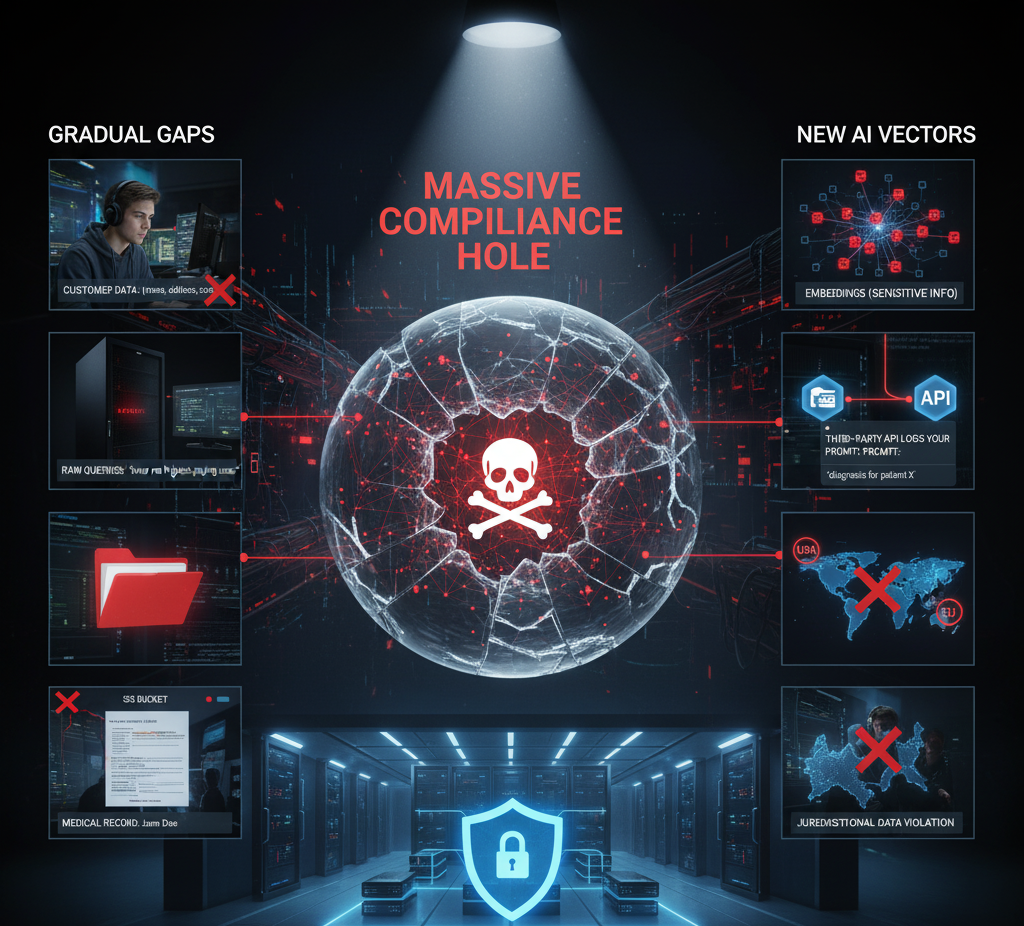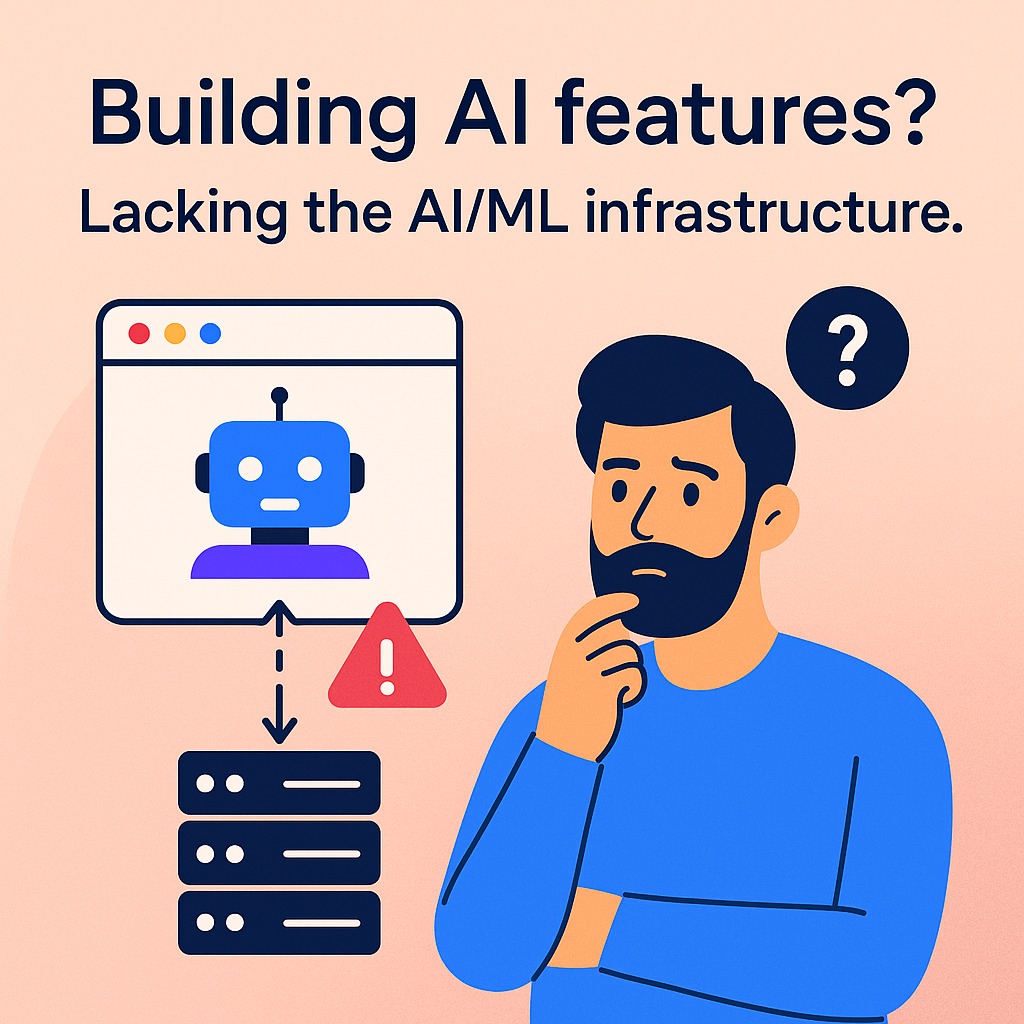
Leaders are being pressured to deliver AI features immediately — but the talent they need simply doesn’t exist. This post explores the paradox and the infrastructure traps that follow.
Every CTO today is caught in a paradox. Boards and CEOs expect immediate AI innovation — smarter search, copilots, content generation, analytics automation — but the teams responsible for building these capabilities rarely have any ML or LLM specialists. Most organizations are staffed with excellent full-stack developers and backend engineers, but they’re not trained to architect retrieval systems, manage embeddings, or tune LLM reasoning.
This talent gap quickly becomes a bottleneck. Even if a CTO decides to hire ML engineers, they face brutal timelines and high costs. It’s not uncommon for ML roles to stay open for six months, and even when someone is hired, they still need time to unravel the organization’s data landscape, compliance rules, and tech constraints. Before long, the AI roadmap is months behind schedule and expectations continue to rise.
The paradox intensifies because stakeholders believe AI is plug-and-play, like adding a new SaaS tool. But in reality, AI infrastructure is complex, continuous, and deeply tied to an organization’s data fabric. This post dives into why CTOs cannot keep up — and why AI infrastructure automation is becoming essential.